May 23, 2024
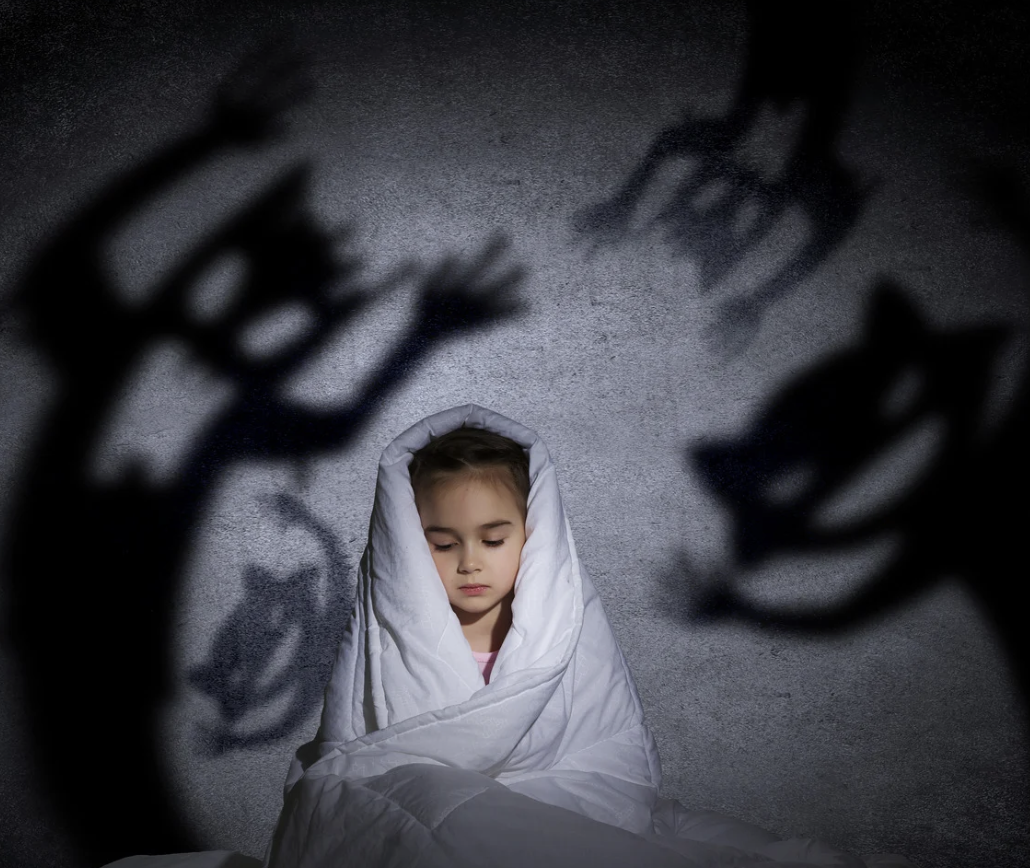
🛌 Nighttime Frights: What to Know About Nightmares & Night Terrors
By Dr. Emily Carter
Hey Sleep Explorers! 👶💤
If your little one has ever woken up screaming—or if you've found yourself Googling "What's the difference between a nightmare and a night terror?" at 3 AM—you're not alone. These sleep disruptions can feel overwhelming, especially when you're not sure what's normal or how to respond.
At Slumber Squad, we believe that understanding why things happen is the first step toward feeling more confident and calm—so let's break it down.
🌙 Nightmares: The Classic Scare
Most kids start having nightmares around 2.5 years old, right when imagination begins to bloom. They're often intense, vivid, and wake your child up completely.
Why They Happen:
- 🌱 Normal Development: As kids learn to imagine, they also learn to worry. Nightmares are part of this.
- 😟 Stress & Change: Big transitions (new sibling, moving, preschool) can show up as scary dreams.
- 📺 Media Overload: Even "mild" content can feel intense to a toddler brain—keep bedtime screens light or none at all.
What to Do:
- Offer reassurance, a hug, and a calm voice: "That was a scary dream, but you're safe now."
- Don't dig too deep right away—talk about it the next day if they want to.
- Keep bedtime calm, quiet, and predictable.
🌌 Night Terrors: The Mystery Wake-Ups
Night terrors can look dramatic—screaming, sweating, thrashing—but your child is usually not awake during them.
How They're Different from Nightmares:
- Happen in the first part of the night (within 2–3 hours of falling asleep)
- Part of non-REM sleep (deep sleep, not dream sleep)
- Your child may not remember anything in the morning
- You might see rapid breathing, flushed face, or confusion
What to Do:
Still not sure what's going on with your little one's sleep?
Every child is different — and sometimes you need more than an article. Send Sam a short message and you'll get a personal reply within one business day, or explore our gentle sleep consulting packages.
- As hard as it is—don't wake them. It can confuse them more.
- Stay nearby, stay calm, and keep them safe (gently guide them if they're moving).
- Most episodes pass in 5–15 minutes.
🩺 When to Call in Extra Support
Occasional nightmares or night terrors are normal. But here's when to loop in your pediatrician or a sleep consultant:
- 😴 They happen multiple times a week or last more than 15–20 minutes
- 🧠 They're affecting daily behavior or causing extreme anxiety around sleep
- 🚶♂️ You're seeing sleepwalking, sleep talking, or safety concerns
- 📆 Your child is over 3 years old and the episodes are escalating
🛏️ How to Help at Home: Calming Strategies
- Soothing bedtime routine — Keep it short, predictable, and calm (dim lights, bath, books, cuddles).
- Avoid stimulating content — Screens off 1–2 hours before bed.
- Safe, cozy sleep space — A comfy room with a consistent routine feels grounding.
- Emotional check-ins during the day — Sometimes big feelings sneak into sleep.
💛 You're Not Alone
Nighttime fears and sleep disruptions are hard—but they're also incredibly common. Understanding the difference between nightmares and night terrors gives you the power to respond with confidence (and less panic).
And if you're ever unsure, we're here. Whether it's a rough patch or a bigger pattern, Slumber Squad has your back—one dreamy night at a time.
Sweet dreams, Sleep Explorers. You've got this. 🌙💤
Tell us about your child's sleep
If any of this sounds familiar, you don't have to keep guessing. At Slumber Squad Sleep Consulting we build personalised sleep plans around your actual child — no one-size-fits-all advice, no cry-it-out. Write to us below (or email sam@slumbersquadsleep.com), or explore our gentle sleep consulting packages.