May 23, 2024
Decoding Sleep Cues vs. Wake Windows: What Really Helps Your Child Sleep Better?
By Dr. Emily Carter
Hey Slumber Squad!
Let's talk about one of the biggest questions we get from parents: "Should I follow my child's sleep cues or stick to wake windows?" It's a great question, and one that evolves as your little one grows. In this post, we'll explore how sleep cues and wake windows work, why they sometimes stop being reliable, and what strategies actually help kids get the rest they need.
What Are Sleep Cues?
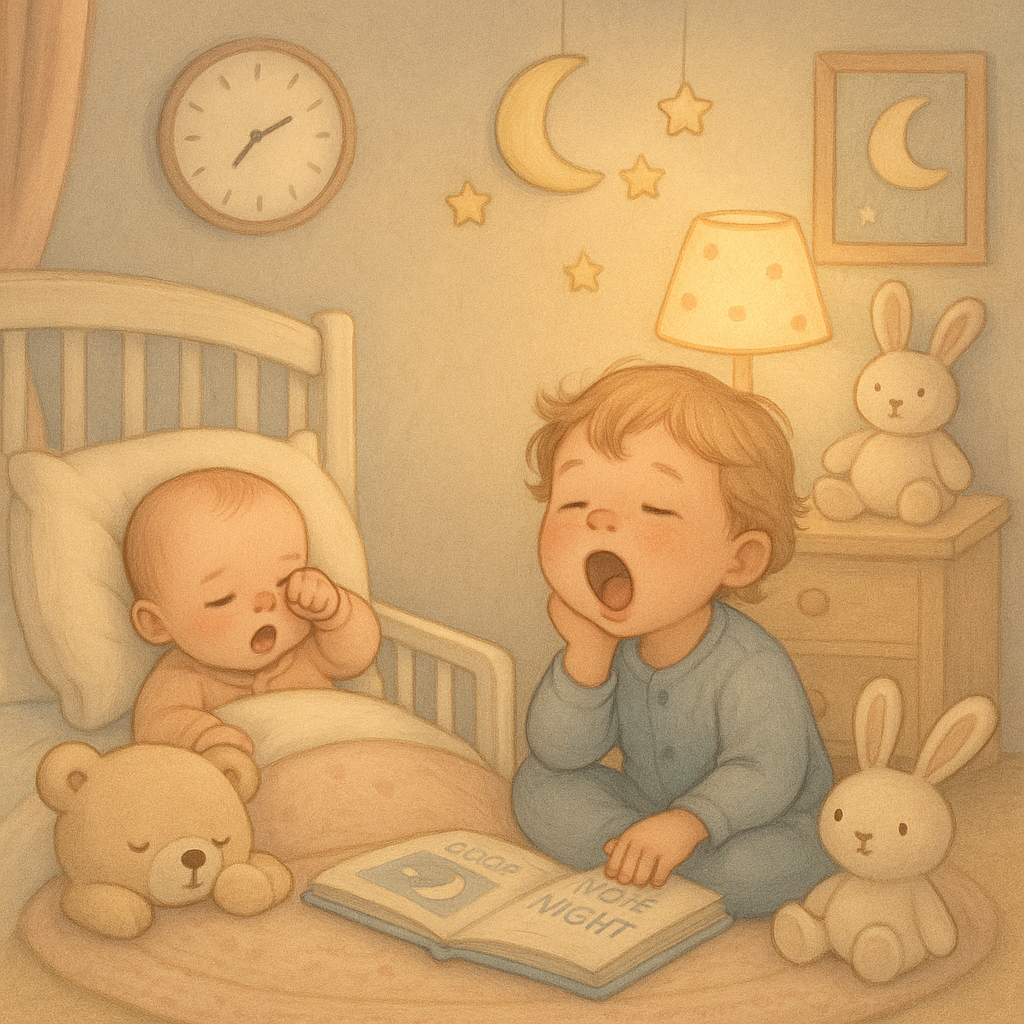
Sleep cues are your baby or toddler's way of telling you, "Hey, I'm getting sleepy!" In infants, these cues are usually pretty straightforward:
- Yawning
- Rubbing eyes
- Staring off or zoning out
- Fussiness or sudden crankiness
These signals are super helpful in the early months, when babies' circadian rhythms are still developing and they need your help to regulate sleep.
Why Sleep Cues Get Tricky As Kids Grow
Once your child enters toddlerhood, sleep cues can get…confusing. Why? Because toddlers are masters of disguise. Their growing curiosity and FOMO (fear of missing out) often override their tiredness. Add overstimulation, screen time, or irregular routines, and it gets even harder to read the signs.
Sometimes kids appear energetic even when they're overtired (hello, second wind!). Other times, fussiness shows up way past the point of being ready to sleep. That's why relying only on sleep cues can backfire.
Enter: Wake Windows – Your Secret Sleep Weapon
Wake windows are simply the amount of time your child can stay awake before needing sleep again. And they change as your child grows. Here's a general guide:
Still not sure what's going on with your little one's sleep?
Every child is different — and sometimes you need more than an article. Send Sam a short message and you'll get a personal reply within one business day, or explore our gentle sleep consulting packages.
- 0-3 months: 45 minutes to 1.5 hours
- 4-6 months: 1.5 to 2.5 hours
- 7-12 months: 2.5 to 3.5 hours
- 12-18 months: 3.5 to 5 hours
- 18 months - 3 years: 5 to 6 hours
Using wake windows as a baseline can help you proactively schedule naps and bedtime before overtiredness sets in — which means fewer meltdowns, easier bedtimes, and better sleep overall.
How to Use Wake Windows Effectively
- Track your child's wake times. Start the clock from the moment they wake up.
- Start winding down 15-20 minutes before the window ends. Use a calm, consistent routine to prepare their body for rest.
- Adjust based on the day. If naps were short or sleep was disrupted the night before, consider shortening the wake window.
Wake windows are especially helpful during sleep regressions or transitions (hello, dropping from two naps to one). They offer a more consistent structure, even when cues are unreliable.
Can You Still Use Sleep Cues?
Absolutely! Sleep cues can be a great supporting tool. But when they conflict with the clock, go with the wake window. Over time, consistency builds trust in the routine, and that predictability helps everyone sleep better.
Final Thoughts
If you're finding yourself second-guessing whether your child is tired or just distracted, lean into wake windows as your guide. Pair them with a consistent routine and calming bedtime habits, and you'll be setting the stage for better sleep now and long-term.
Your Slumber Squad is always here to cheer you on. Sleep is not one-size-fits-all, but with a little observation, timing, and love, you can help your child catch the Zzz's they need to thrive.
Sleep well, dream big, and don't forget – you're doing an amazing job!
Looking for more tips on toddler sleep regressions, wake window charts, and bedtime routines? Explore our blog or reach out for personalized support!
Tell us about your child's sleep
If any of this sounds familiar, you don't have to keep guessing. At Slumber Squad Sleep Consulting we build personalised sleep plans around your actual child — no one-size-fits-all advice, no cry-it-out. Write to us below (or email sam@slumbersquadsleep.com), or explore our gentle sleep consulting packages.